Damp and mould in rented homes used to sit in a frustrating grey area — tenants blamed for “lifestyle”, landlords slow to act. That has changed. Following the death of two-year-old Awaab Ishak from prolonged exposure to mould in a rented flat, Awaab’s Law now places clear duties on landlords to deal with damp and mould promptly.
What the law expects
In essence, landlords must investigate reported damp and mould hazards and act within defined timescales rather than leaving them indefinitely. The rules began in social housing and are being extended across the rented sector. The direction of travel is unambiguous: damp and mould are treated as a health hazard, not a cosmetic complaint.
If you’re a tenant
- Report it in writing to your landlord or managing agent, and keep copies.
- Document it — photos of each affected area, with dates, showing how it changes.
- Don’t just paint over it — that hides evidence and doesn’t fix anything.
- Get it assessed if it isn’t dealt with. An independent mould and damp survey sets out the cause and extent in plain terms you can hand to your landlord.
The “it’s your lifestyle” response no longer ends the conversation. While ventilation habits do matter, persistent mould usually reflects an underlying building or ventilation problem that is the landlord’s responsibility to resolve.
If you’re a landlord
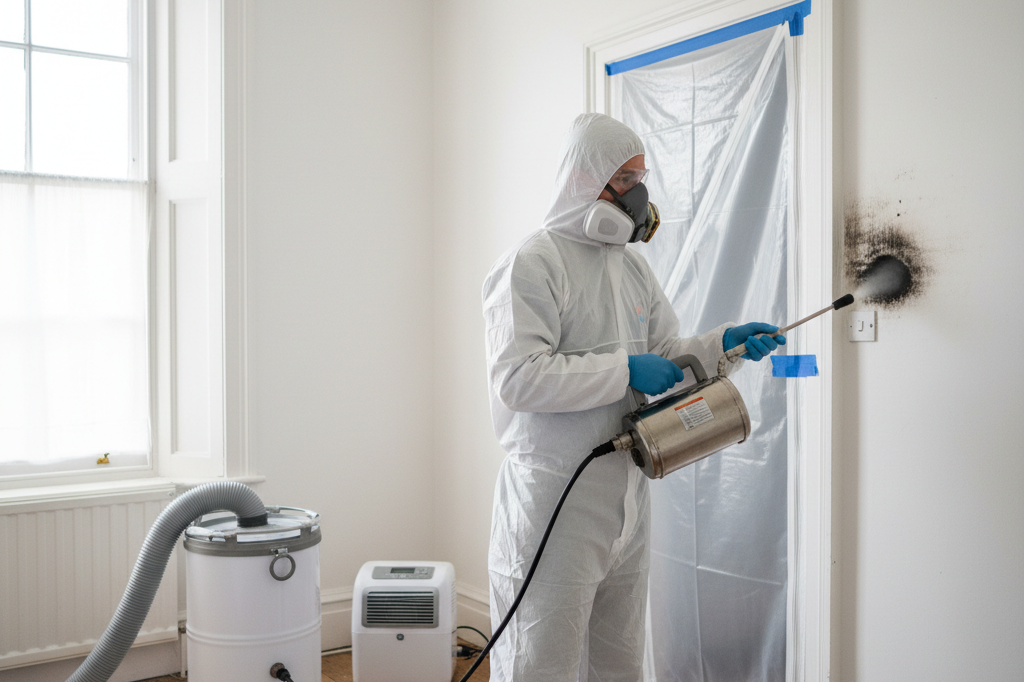
The practical takeaway is simple: deal with it properly and keep records. A quick wipe-down that lets the mould return in a month doesn’t meet your obligations and invites repeat complaints. A proper remediation — finding the moisture source, removing the mould safely, and improving ventilation so it doesn’t return — protects your tenants, your property and you.
Documented, standards-based work also gives you evidence that you acted appropriately, which matters if a dispute or inspection ever arises.
Common ground
Tenants and landlords usually want the same thing: a dry, healthy home and no recurring problem. The fastest route there is to stop arguing about blame and instead identify the cause and fix it. That’s where an independent, evidence-based assessment helps both sides move forward.