Mould Prevention & Air Quality
Removing mould is half the job. Keeping it gone is the other half. We set your property up so the conditions mould needs — stale, humid air on cold surfaces — simply aren't there anymore.
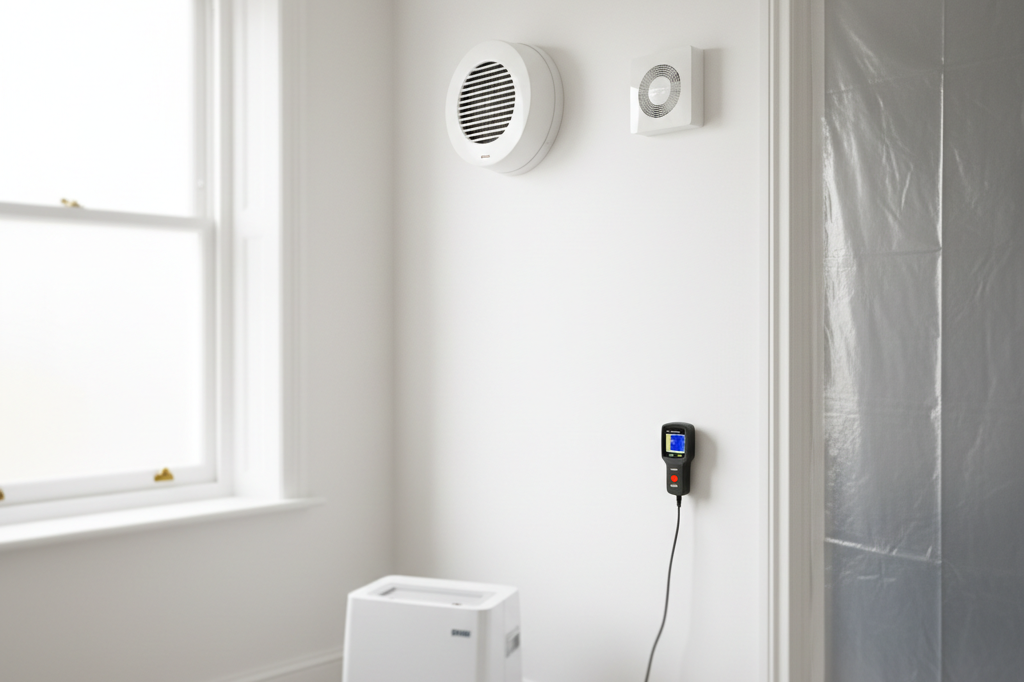
Make it stay gone
The most frustrating mould stories all sound the same: “we cleaned it, repainted, and a few months later it was back.” That happens because the conditions were never changed. Prevention is about changing the conditions — permanently.
Ventilation is the key
Because the majority of London mould is condensation-driven, the biggest lever is almost always ventilation. We assess how your home produces and traps moisture, then specify the right fix — from a simple humidity-sensing bathroom fan to a whole-home positive-input ventilation (PIV) unit that keeps the entire property drier.
Protect the surfaces, monitor the result
On areas that have had mould before, we treat the surface and, where it helps, apply breathable anti-mould coatings. Combined with the damp control work and a proper remediation, it sets the property up to stay healthy — and we can monitor humidity afterwards to prove the measures are doing their job.
Common situations we deal with
Poor ventilation
Sealed windows and weak or missing extract fans trap humid air indoors, where it condenses and feeds mould.
High indoor humidity
Drying laundry indoors, long showers and unvented cooking push humidity up — especially in flats and smaller homes.
Cold spots & bridges
Uninsulated corners, lintels and reveals stay cold enough for condensation to settle even when the room feels warm.
No long-term protection
Surfaces that have had mould before will get it again unless they're treated and the airflow is improved.
Methodical, contained, evidence-led
The work is done in a controlled sequence — diagnosed, contained, treated and protected — not rushed with a sponge and a tin of paint.
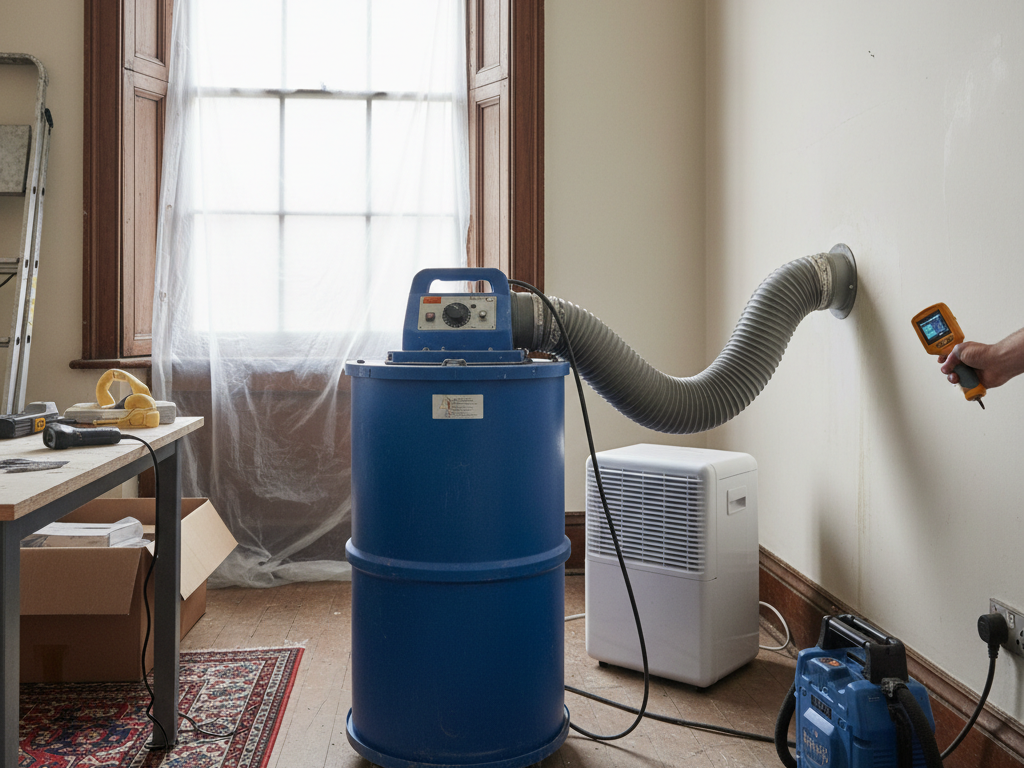
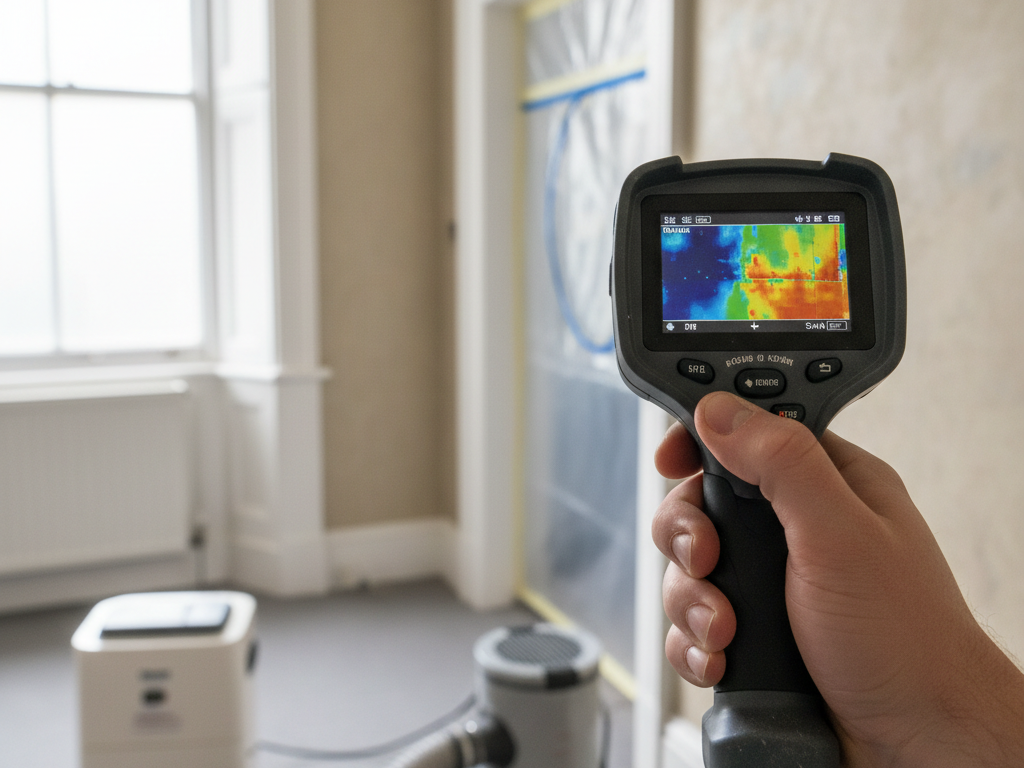
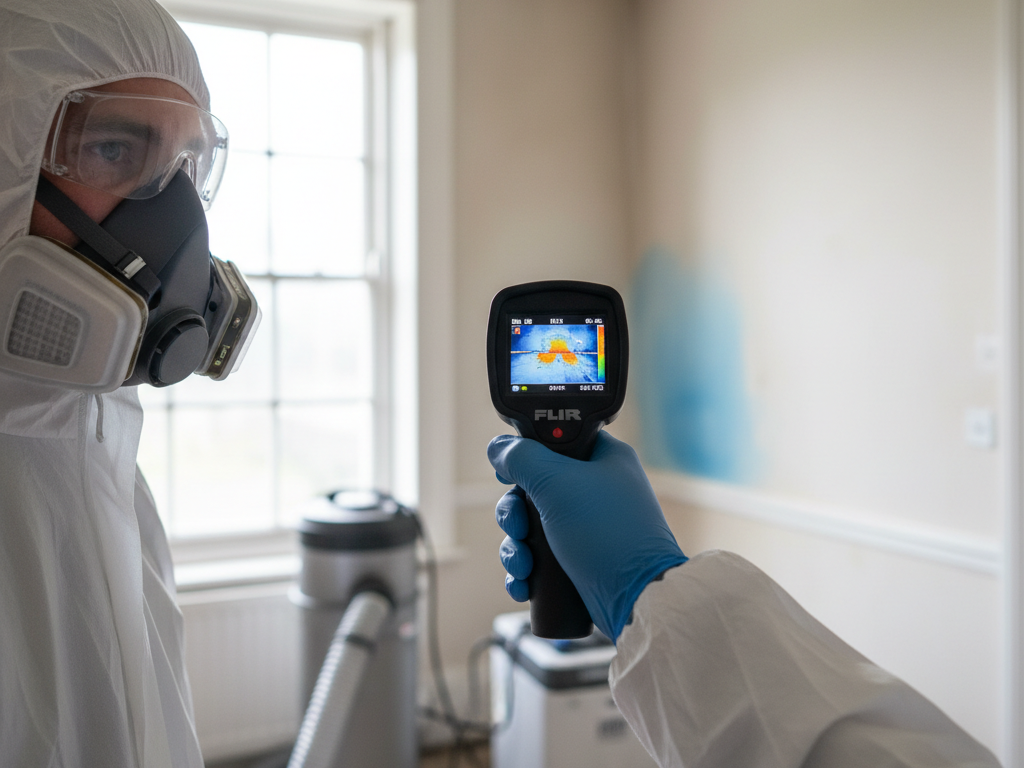
How the work is done
Review how the home is used
Heating, occupancy, laundry, cooking and existing ventilation all shape the answer — prevention is tailored, not one-size-fits-all.
Improve ventilation
We specify and fit the right solution: humidity-sensing extract fans, trickle vents, or whole-home positive-input ventilation (PIV).
Treat & protect surfaces
Previously affected areas are treated and, where appropriate, finished with breathable anti-mould coatings.
Advise & monitor
We leave you with simple, realistic guidance — and can monitor humidity to confirm the measures are working.
Frequently asked questions
What's the single most effective way to prevent mould?
Ventilation. Most London mould is condensation-driven, and condensation is about humid air meeting cold surfaces. Getting that humid air out of the building — with good extract fans or a PIV unit — addresses the root of the problem more reliably than anything else.
Does anti-mould paint actually work?
Breathable anti-mould coatings help on previously affected surfaces by making them inhospitable to growth, but they are a finishing touch, not a cure. Used on a wall that's still cold and damp, paint alone will fail. We use it as part of a wider prevention plan.
Will improving ventilation make my home cold or expensive to heat?
Modern systems are designed around this. PIV units and humidity-sensing fans move only the air that needs moving, and a drier home is actually easier and cheaper to heat than a damp one — water in the walls soaks up heat.
Can you help a landlord stay compliant?
Yes. With damp-and-mould rules tightening for rented homes, prevention measures plus documentation of the work help landlords meet their obligations and avoid repeat call-outs.
Tell us about the problem
Send a few details and we’ll come back within a working day — with advice, or a date for a free survey. Photographs of the affected areas always help us give you a sense of what’s involved.
- → We find and fix the cause, not just the symptom
- → Safe, contained, IICRC S520 process
- → Across London and the Home Counties
Request a survey
Just the basics — we’ll handle the rest.